
📡 What Are SFPs in Telecom — and Why They Matter More Than You Think
2026-02-25 17:38:08
📡 What Are SFPs in Telecom — and Why They Matter More Than You Think
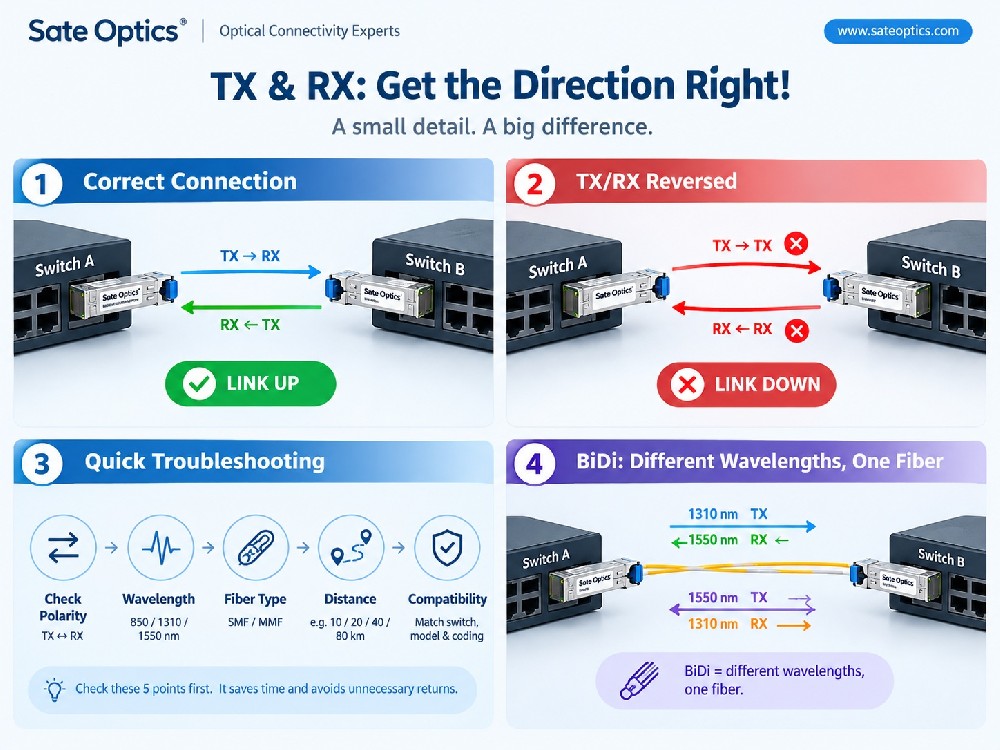
In telecom networks, SFPs (Small Form-factor Pluggable transceivers) are the quiet enablers behind every fronthaul, midhaul, and backhaul link.
They may be small, but they do one critical job:
👉 Convert electrical signals ⇄ optical signals
👉 Connect network devices over fiber or copper
👉 Allow fast upgrades without replacing hardware
You’ll find SFPs everywhere in real networks:
BBU, RRH, switches, routers, OLT/ONT, transport equipment
✅ Common SFP Types Used in Telecom
1️⃣ SFP (1G)
• 1 Gbps
• Basic access, legacy backhaul
2️⃣ SFP+ (10G)
• 10 Gbps
• Widely used in LTE / 4G aggregation
3️⃣ SFP28 (25G)
• 25 Gbps
• A key building block for 5G fronthaul & midhaul
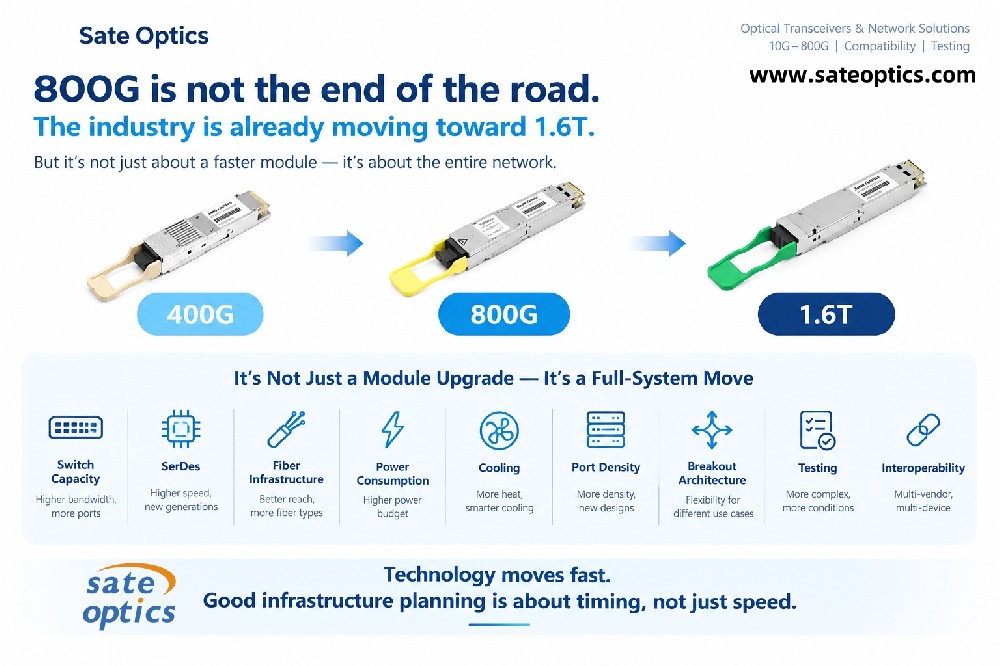
4️⃣ QSFP+ (40G)
• 40 Gbps
• Core network and metro aggregation
5️⃣ QSFP28 (100G)
• 100 Gbps
• 5G core networks & data centers
📏 Classified by Transmission Distance
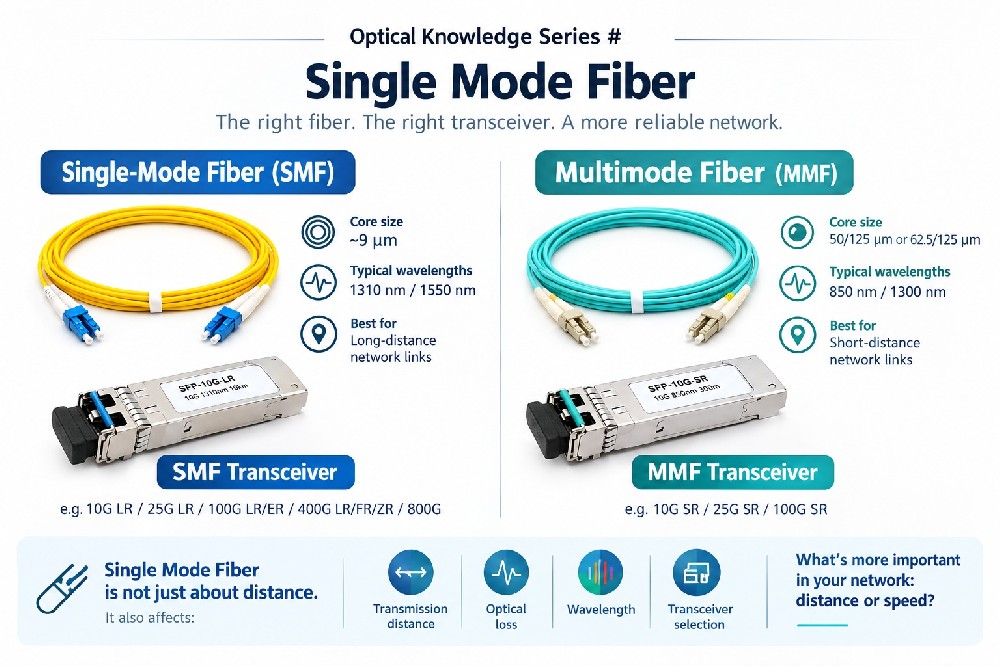
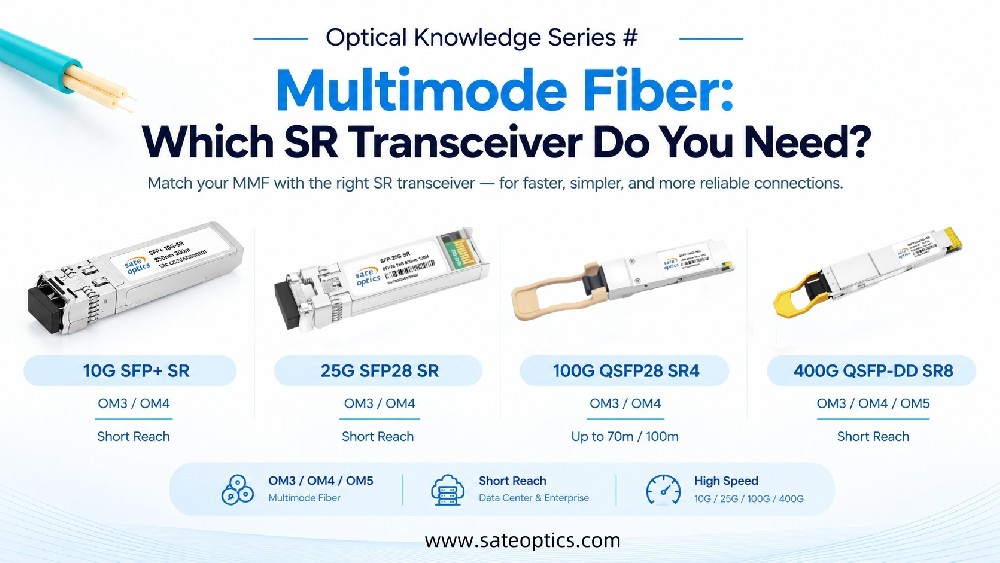
• SR – up to 300 m (MMF)
• LR – up to 10 km (SMF)
• ER – up to 40 km
• ZR – up to 80 km
🧵 Classified by Fiber Type
• Single Mode (SMF) → long distance, carrier networks
• Multi Mode (MMF) → short distance, data centers
🔧 Why SFPs Are So Important in Telecom
✔ Enable high-speed data transmission
✔ Plug-and-play replacement (no downtime headaches)
✔ Support scalable, future-proof network design
✔ Absolutely critical for fronthaul / midhaul / backhaul
🧠 Real-World 4G / 5G Examples
• BBU ↔ RRH → SFP+ / SFP28
• Switch ↔ Router → QSFP28
• OLT ↔ ONT → SFP
💬 Quick question for telecom engineers & planners:
Which SFP type causes you the most trouble in real deployments — distance, compatibility, or stability?
👇 Let’s discuss.
#Telecom #SFP #FiberOptics #5G #BBU #RRH #OpticalTransceiver #Networking #TelecomEngineering #DataCenter
Previous:Optical Transceiver Industry Trend: Are You Using the RIGHT Module — or Just the NEWEST One?